7 essential books on adult ADHD written by ADHDers

Whether you have recently received an ADHD/AuDHD diagnosis or have known for some time, it is common to feel overwhelmed by the sheer volume of information available. To help you navigate this journey and better understand how your unique mind works, I have curated a mini-guide of seven essential books on adult ADHD written by authors who are ADHDers themselves.
I have personally read each of these titles and I think they offer a valuable mix of latest science, lived experience, and practical strategies to support your self-discovery.
7 essential books on adult ADHD written by ADHDers
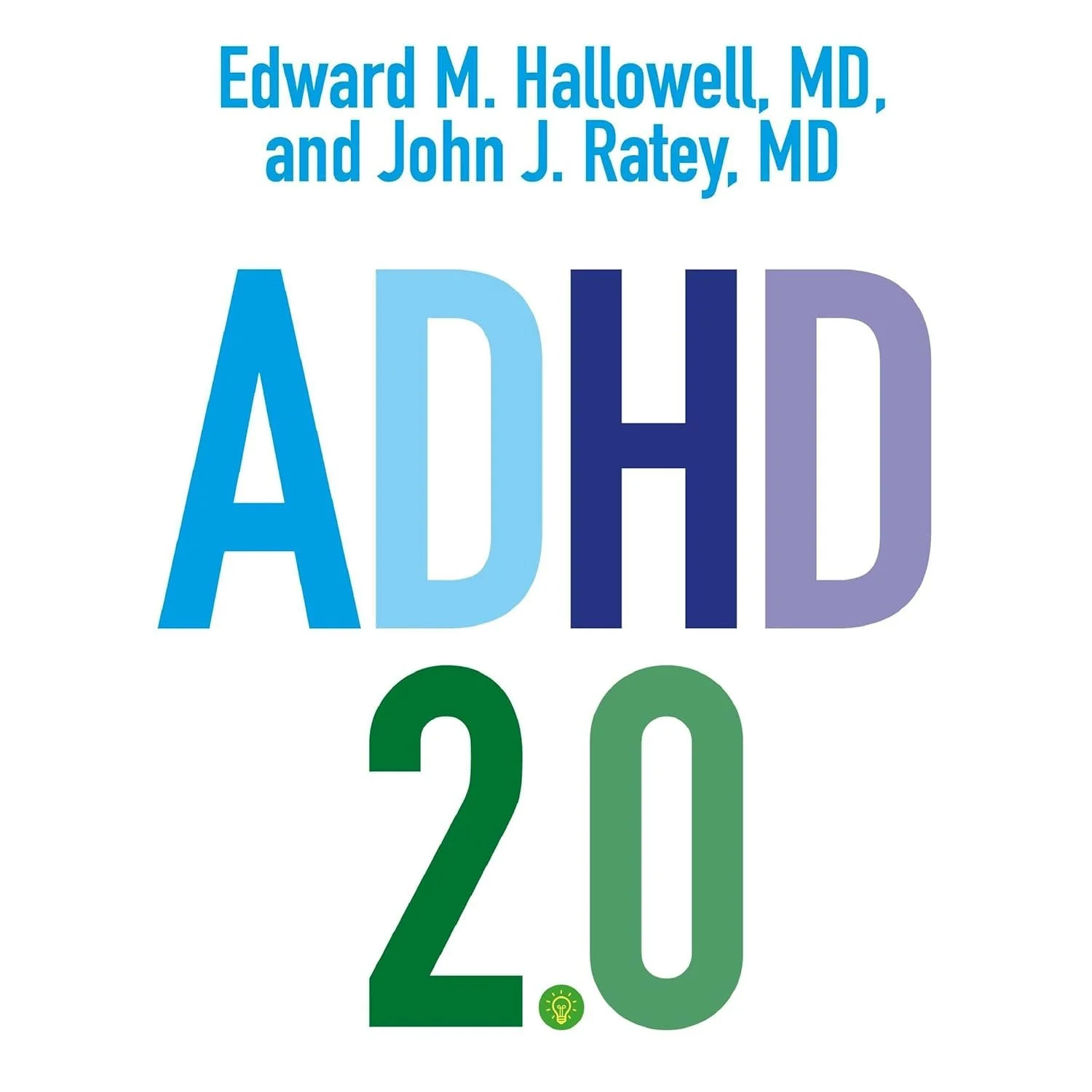
1. ADHD 2.0 by Edward M. Hallowell, M.D., and John J. Ratey, M.D. (2021)
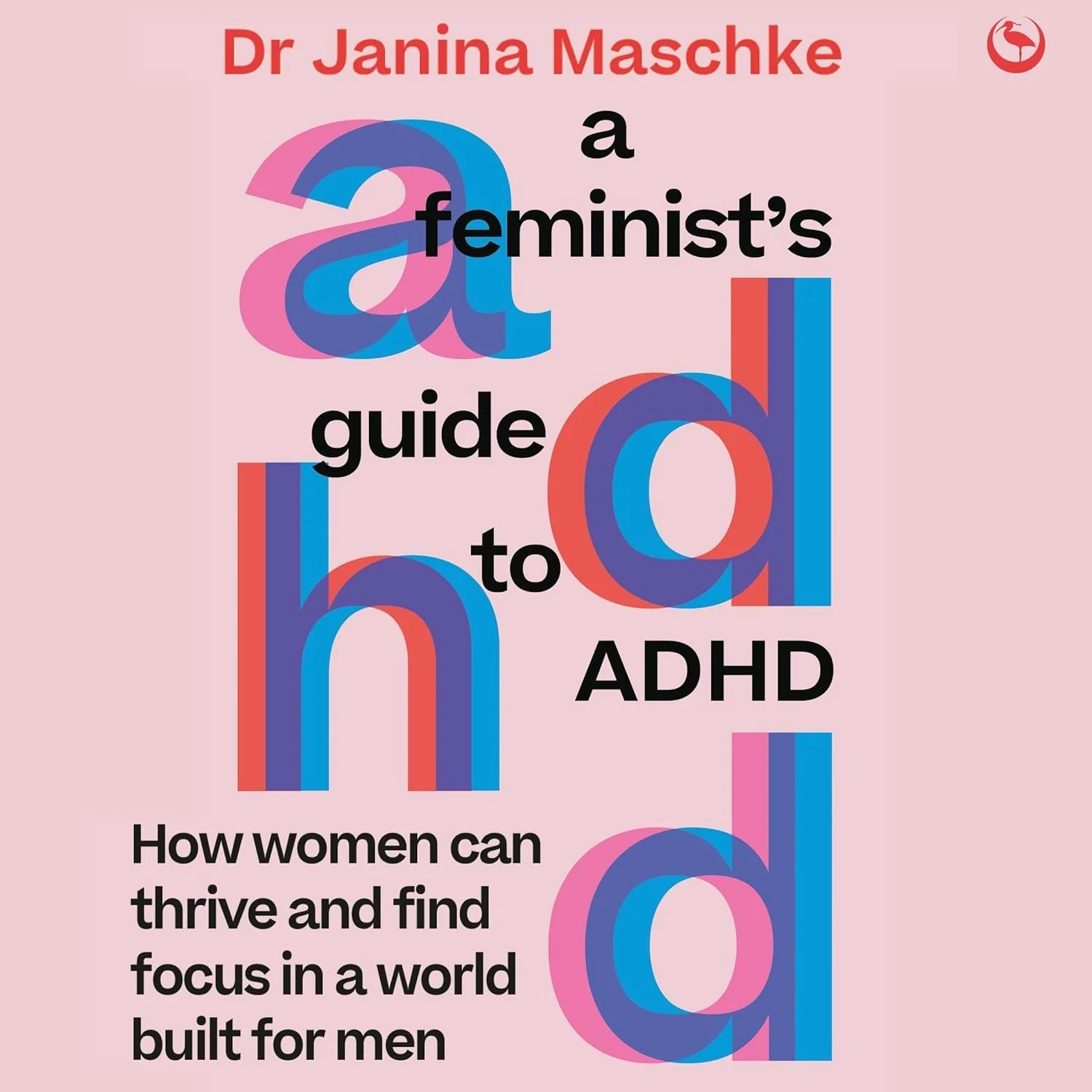
2. A Feminist's Guide to ADHD by Dr. Janina Maschke (2024)
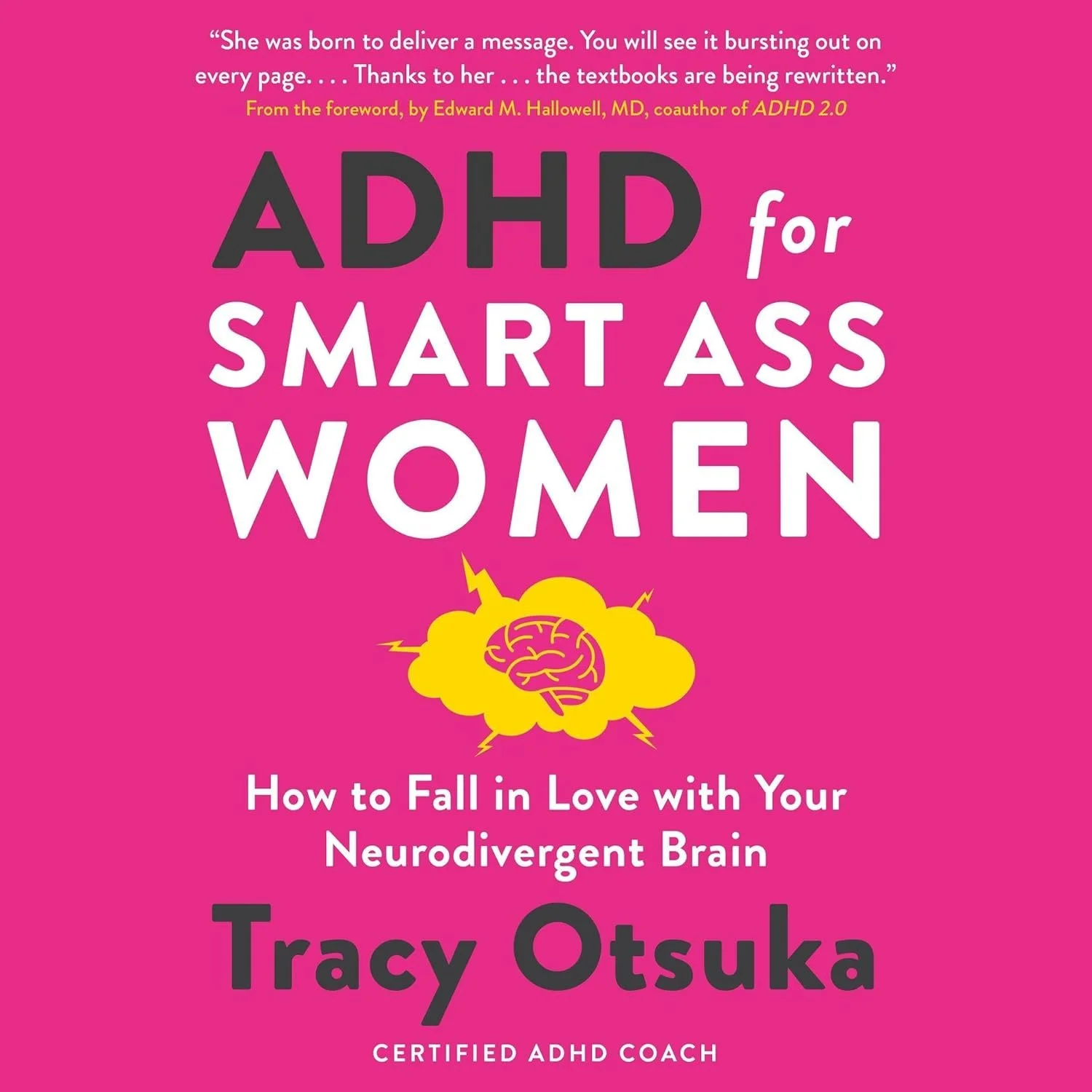
3. ADHD for Smart Ass Women by Tracy Otsuka (2024)
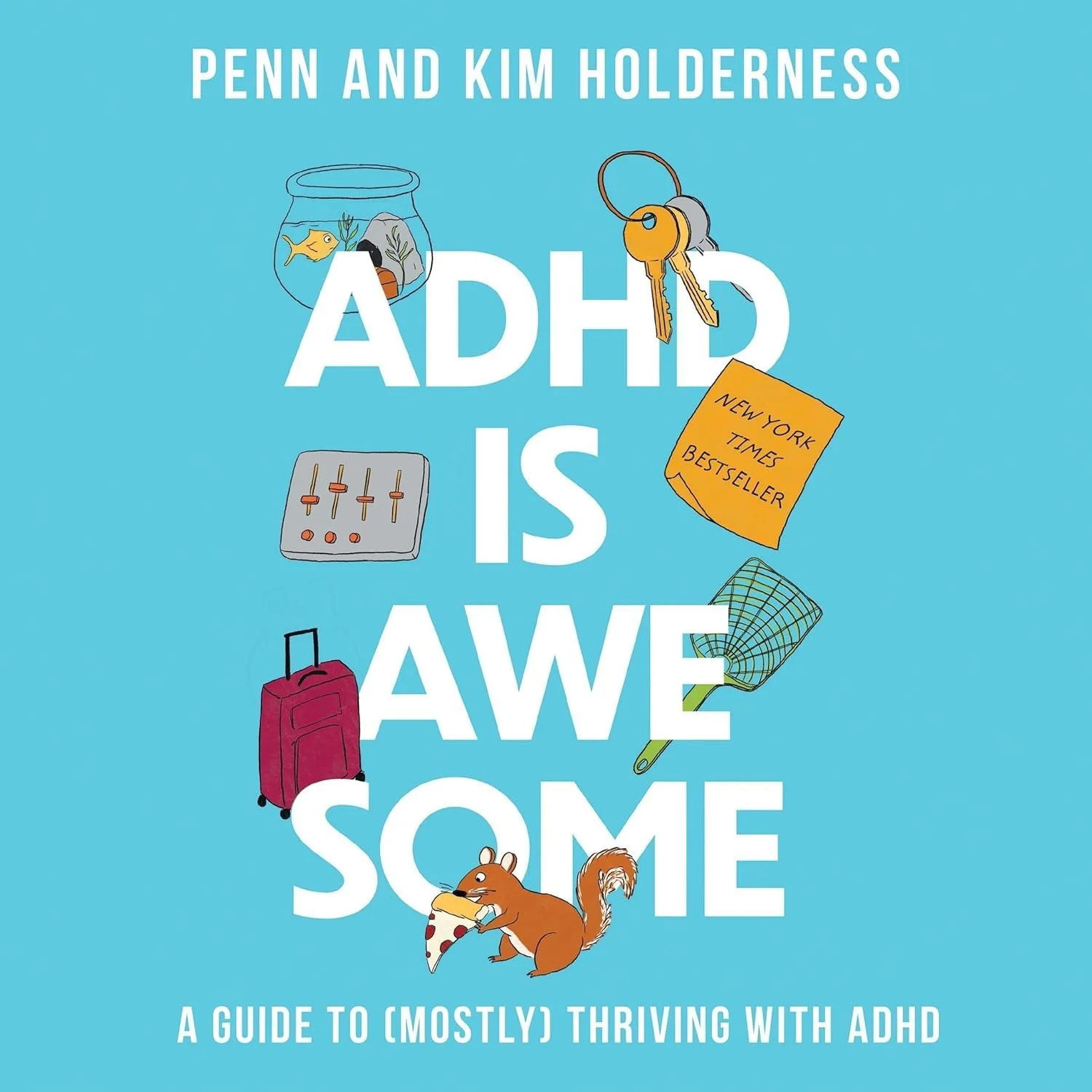
4. ADHD is Awesome by Penn and Kim Holderness (2024)
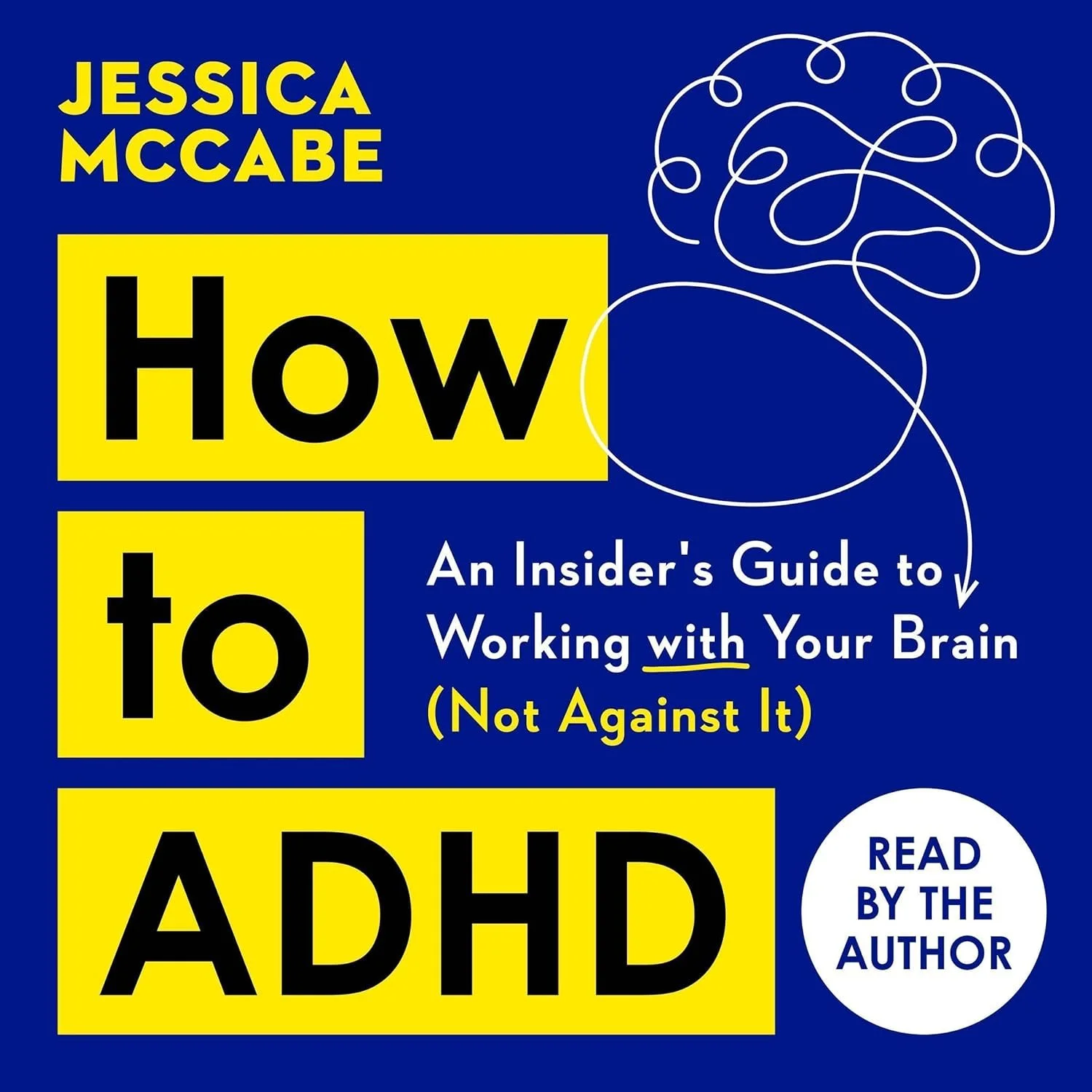
5. How to ADHD by Jessica McCabe (2024)
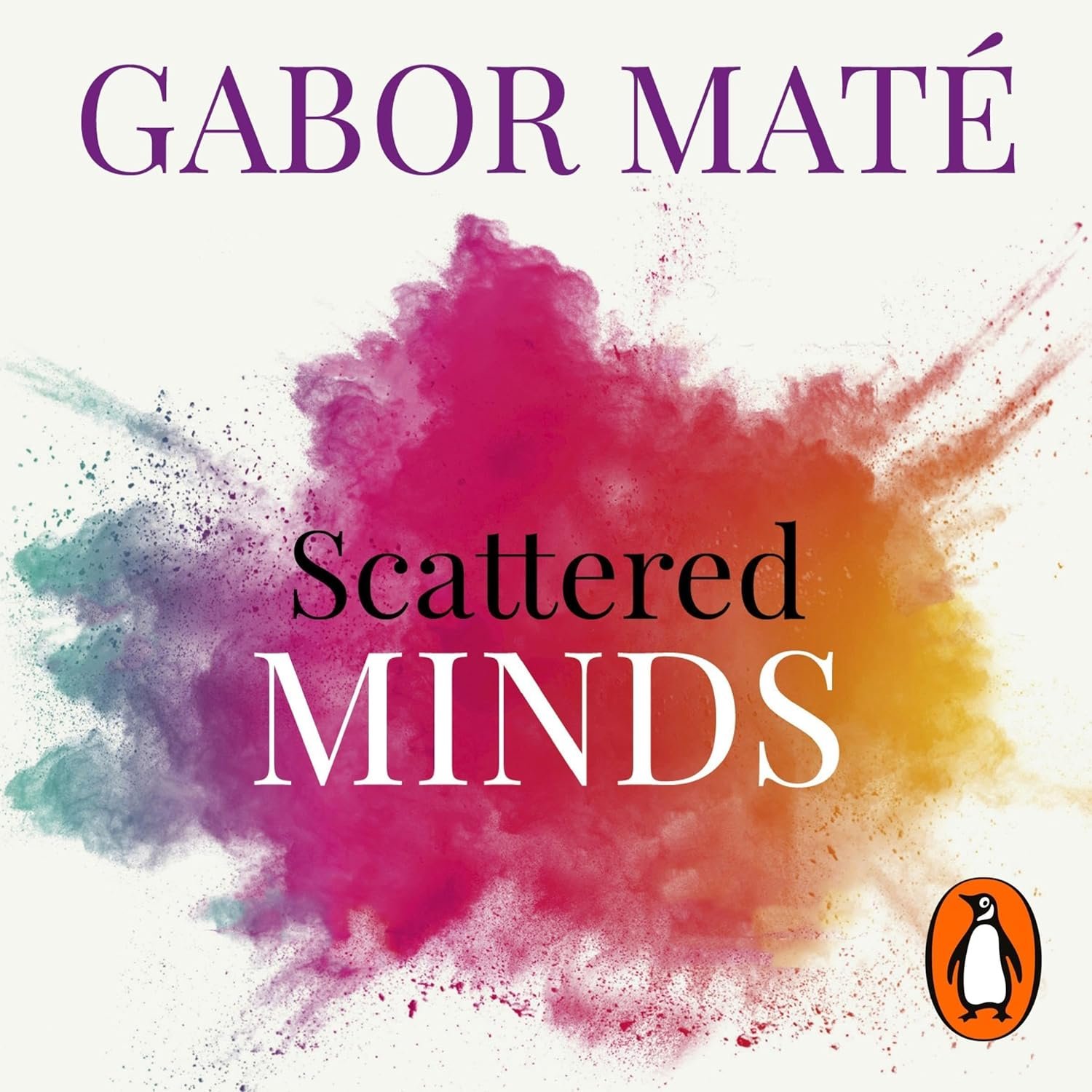
6. Scattered Minds by Gabor Maté, M.D. (2019)
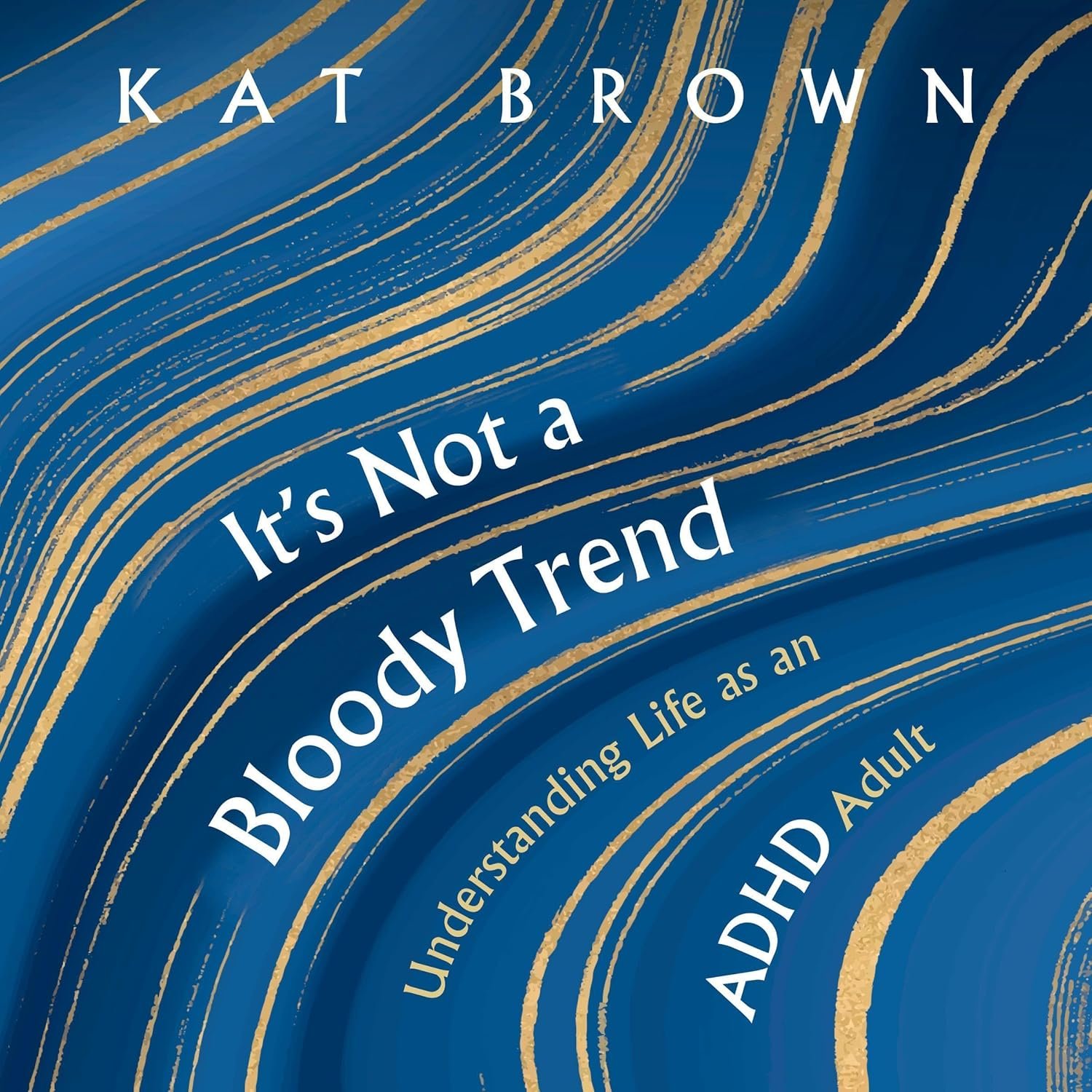
7. It’s Not a Bloody Trend by Kat Brown (2025)
Disclosure: If you decide to buy books through the links in this blog post, we may earn a commission from Bookshop.org (and at no extra cost to you). By purchasing from Bookshop.org you will be supporting independent bookshops.
1. ADHD 2.0 by Edward M. Hallowell, M.D., and John J. Ratey, M.D. (2021)
The Summary
In this book, two of the world’s leading experts reframe ADHD not as a brokenness to be fixed, but as a way of being in the world. They use the powerful metaphor that you have a Ferrari engine for a brain with bicycle-strength brakes: the challenge isn't the power of your engine but the mismatch of that power to your braking capability. The authors explore the latest science of the condition, explaining the tension between the brain's Task Positive Network (TPN) and the Default Mode Network (DMN) responsible for many of the ADHD traits and experiences.
What You’ll Learn
You will learn that your mind often struggles because the DMN (which is the part of the brain responsible for daydreaming) doesn't shut off when you're trying to focus. This can create doom spirals of negative thoughts. To help with this, the authors introduce the idea that high-quality human connection (Vitamin Connect) is as vital as medication. They encourage ADHDers to find charismatic mentors and use strategies like balance exercises to strengthen your cerebellar health. They also propose a way to work with Rejection Sensitivity Dysphoria (RSD) by embedding practices that activate Recognition-Sensitive Euphoria (RSE).
The Writing Style
The book is optimistic and science-backed. It is written with a sense of wonder at the ADHD mind’s creative potential, using relatable metaphors to make complex neurology accessible.
📖 Read: ADHD 2.0 by Edward M. Hallowell, M.D., and John J. Ratey, M.D. (Paperback or eBook)
2. A Feminist's Guide to ADHD by Dr. Janina Maschke (2024)
The Summary
This book is written specifically for women. It highlights the historical neglect of the female presentation of ADHD (the first research paper to include women wasn't even published until 2002). The author explains that women often go undiagnosed until their 30s because they have become experts at masking their symptoms to fit a social playbook that society expects from them. She also provides guidance on how to start living on your own terms as an ADHDer woman.
What You’ll Learn
You’ll learn more about your ADHD experience, including ADHD shutdown where your brain freezes up due to information overload. The book offers specific tools to support ADHD brains, like launchpads (designated spots for keys and essentials) and chore charts to manage the executive function demands of home and professional life. Unlike many other titles, this book explains how hormonal changes (estrogen and progesterone) interact with the severity of ADHD symptoms. For example: during the luteal phase of your menstrual cycle, your medication might feel less effective.
The Writing Style
The tone is empowering and mission-driven. It blends Dr. Maschke’s personal experience with clinical research, specifically addressing the shame women feel when they can’t meet traditional societal standards.
📖 Read: A Feminist's Guide to ADHD by Dr. Janina Maschke (Paperback)
3. ADHD for Smart Ass Women by Tracy Otsuka (2024)
The Summary
Tracy Otsuka wants you to fall in love with your neurodivergent brain. She argues that your big emotions (often called emotional dysregulation) are a sign of how passionately you experience life. This book focuses heavily on identifying your outsider’s identity and leaning into non-conformity as a strength.
What You’ll Learn
The author describes an ADHD woman as a gold-star person who withers under criticism but flourishes with affirmation. She encourages creating an intelligence report: a laminated guide of your values, signature strengths, and purpose that helps you decide if a new idea is a true passion or just new and exciting. You’ll learn unconventional sensory strategies to regulate your nervous system, such as tapping, chewing gum, or cold-water immersion to snap out of ruminating thoughts.
The Writing Style
This is written in a bold, coaching-oriented and high-energy style. It’s designed to motivate you to stop apologising for your intensity and start leveraging it.
📖 Read: ADHD for Smart Ass Women by Tracy Otsuka (Paperback or eBook)
4. ADHD is Awesome by Penn and Kim Holderness (2024)
The Summary
Written by a couple who live the ADHD experience daily, this book celebrates the ADHD mind’s capacity for divergent thinking: the ability to “take a machete” to conventional solutions and find entirely new paths. They frame ADHD not as something to be fixed, but as “a way of life that needsguardrails or bumpers to keep you in your lane”.
What You’ll Learn
You’ll learn how to harness hyperfocus and enter the flow state, where time simultaneously stands still and whizzes by. The book suggests relatable lifestyle strategies, such as singing a “getting out of the car” song to activate memory centres. You will also learn the value of a strengths-based approach over a problem-solving one, encouraging you to “pull with the current” of your brain rather than fighting your weaknesses all day.
The Writing Style
The style is humorous, relatable, and collaborative. It feels like a conversation with friends who understand the “suckitude” of blowing a deadline but refuse to let you feel shame for it.
📖 Read: ADHD is Awesome by Penn and Kim Holderness (Hardback)
5. How to ADHD by Jessica McCabe (2024)
The Summary
This insider's guide focuses on the concept of executive function, described as the "CEO of the brain that is often understaffed” in ADHDers. McCabe provides a comprehensive look at how to work with your brain’s unique wiring rather than against it. She compares the ADHD brain to a lizard that cannot internally regulate its focus temperature.
What You’ll Learn
You will master practical time-management strategies like time buckets (dedicated blocks for types of activities) and time pillars (regular rituals that add structure). You’ll learn how to leave “breadcrumbs” for yourself when you need to pause a hyperfocus session so you can find your way back in later. McCabe also teaches you to “fight distraction with distraction” by using music or fidgets to provide enough sensory-motor stimulation so your brain doesn’t go searching for it elsewhere.
The Writing Style
The book is accessible and community-focused, using colloquial terms like doom spirals and brain smoothies to make complex neurological concepts easy to digest.
📖 Read: How to ADHD by Jessica McCabe (Hardback, Paperback or eBook)
6. Scattered Minds: The Origins and Healing of Attention Deficit Disorder by Gabor Maté, M.D. (2019)
The Summary
In a sharp departure from the biological model, Dr. Maté argues that ADHD is a physiological consequence of your environment, not a fixed, inherited disorder. He views "tuning out" as a dissociative survival technique that develops in infancy when a child feels emotional hurt and helplessness. He refers to the condition as "Attunement Deficit Disorder".
What You’ll Learn
You will explore the deep connection between your emotions and your attention, learning that attachment promotes attention while anxiety undermines it. You’ll learn about the role of implicit memory in how your current over-reactions are often reactivated memories of early childhood shame or fear. The book encourages to approach ADHD traits with compassionate curiosity to understand what your behaviour is “trying to tell you” so that you progress with a process of “becoming whole”.
The Writing Style
The tone is philosophical, clinical and deeply psychological. It focuses less on practical strategies and instead explores “the emotional meaning" of ADHD in your life.
Note: Dr. Maté has made major contributions to our understanding of trauma and the mind-body connection, but parts of his theory on the origins of ADHD have faced some criticism from the neurodivergent community. For an alternative perspective, check out the video Why Dr. Gabor Maté is Worse Than Wrong About ADHD.
📖 Read: Scattered Minds: The Origins and Healing of Attention Deficit Disorder by Gabor Maté, M.D. (Paperback or eBook)
7. It’s Not a Bloody Trend by Kat Brown (2025)
The Summary
In this book, journalist Kat Brown tackles the modern misconception that ADHD is a fashionable diagnosis or a social media fad. Instead, she presents it as a valid, life-encompassing neurological reality that has been overlooked in adults for decades. She addresses the systemic lack of support for neurodivergent adults, arguing that the condition is a fundamental, lifelong difference in how one processes the world.
What You’ll Learn
You will explore the everyday struggles that often go overlooked by clinical manuals. The book explains how ADHD affects finances, career, relationships and many other areas. As well as the authors own research and reflections, the book includes lived experience accounts from a wide range of ADHDer adults.
The Writing Style
The tone is candid, journalistic and deeply validating. It blends personal memoir with sharp social commentary, making it feel like a supportive conversation with someone who "gets it". It is less about "fixing" your brain and more about acknowledging the validity of your experience and the reality of the challenges you face every day.
📖 Read: It’s Not a Bloody Trend by Kat Brown (Paperback or eBook)
In summary
ADHD 2.0: Frames ADHD as a high-powered Ferrari engine with weak brakes, manageable through science-backed strategies and human connection
A Feminist's Guide to ADHD: Explores how social "masking" and hormonal shifts uniquely shape the fluid ADHD experience for women.
ADHD for Smart Ass Women: Rebrands ADHD as a passion-led "outsider identity" that flourishes when aligned with personal values and signature strengths.
ADHD is Awesome: Celebrates the ADHD mind's "divergent thinking" as a creative gift that simply requires practical guardrails to thrive.
How to ADHD: Defines the condition as an impairment of the brain's executive functions and provides a toolkit for working with, rather than against, your brain's wiring.
Scattered Minds: Challenges biological models by viewing ADHD as an environmental survival mechanism rooted in a lack of early childhood attunement.
It’s Not a Bloody Trend: Defines ADHD as a valid, life-encompassing neurological reality rather than a passing fad, highlighting the systemic lack of support and the raw grit required to navigate everyday adult neurodivergence.
Final thoughts
There are many perspectives on what ADHD is and how to design a life that supports your specific thinking style. A strategy that is effective for one person may not work for another.
The benefit of hearing from different voices is that you can identify insights that are personally relevant. Some theories will make more sense to you than others. The objective is to find information that helps you understand yourself better, within your own context.
By learning from those with lived experience, you can make informed choices about the strategies and supports most likely to work for you, allowing you to live in a way that is truly neuro-affirming and sustainable.
Ways in which I can support your journey
If you are looking for professional support to help process your late-life AuDHD or autism diagnosis while navigating your work and career, I offer several ways to work together:
1-1 Coaching: Learn more about my approach to coaching support and what I can help with.
Exploring Your Autistic Self: Join the waiting list for my group course designed for neurodivergent adults.
Newsletter: Sign up to receive my monthly "ponderings", reflective prompts and practical experiments.
About the Author:

Alicja Nocon is the founder of Expand the Circle. Her mission is to empower late-diagnosed neurodivergent adults to contribute in the workplace on their own terms and for it to make business sense.
Alicja offers coaching and mentoring for neurodivergent adults and neurodivergent employees with autism or ADHD, neurodiversity training for organisations and enjoys speaking at panels and other events.
Related topics: